Quick answer
Business equipment finance lets a small business buy machinery, tools, kitchen gear, technology or fit-out items and repay them over time, with the equipment itself usually acting as security. Because the asset carries much of the risk, it can suit newer businesses and owners without property. Lenders look at the item, the supplier quote, your bank statements and how the gear will earn its keep.
Key points
- The equipment usually secures its own finance, so property isn't essential
- New, used and private-sale gear are treated differently — used and private sales need more checking
- A clear supplier quote or tax invoice is the single most important document
- Funds normally go straight to the supplier, not your account
- Typical security
- The equipment itself
- Good for
- Machinery, kitchens, tools, tech, furniture
- Key document
- Supplier quote or tax invoice
Every small business hits the point where the old gear holds it back. The coffee machine can’t keep up with the morning rush, the van’s done too many kilometres, the laser cutter is booked out three weeks ahead. Buying the replacement outright eats the cash you need for wages, stock and the BAS. Equipment finance spreads that cost across the years the equipment is actually working for you.
What counts as business equipment?
Almost anything with a clear identity and resale value. Lenders are most comfortable with items they can describe, value and, if it ever came to it, sell. Common examples:
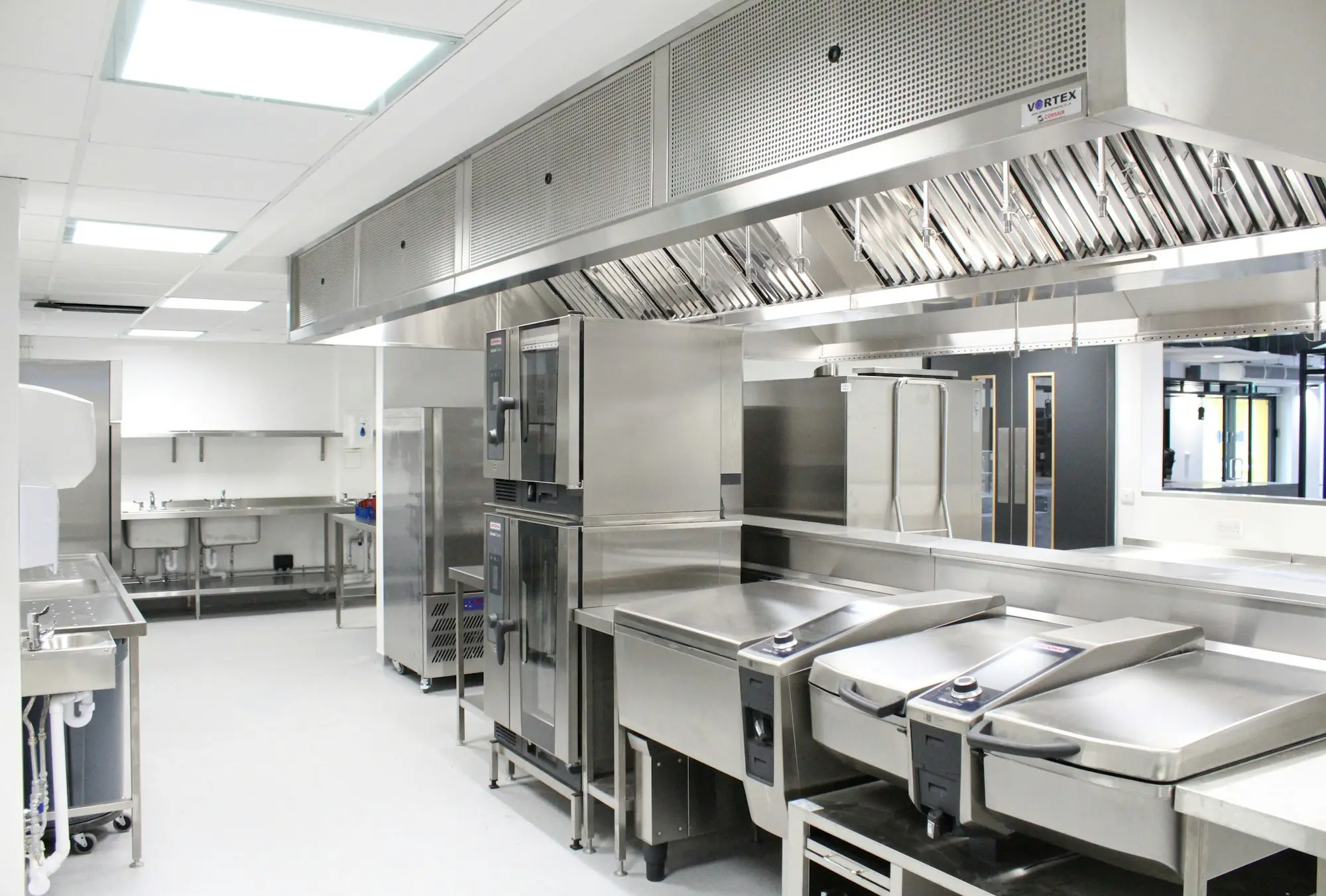
- Hospitality: espresso machines, combi ovens, cool rooms, dishwashers, POS systems
- Trades and workshops: compressors, generators, welders, scissor lifts, CNC machines
- Health and beauty: treatment beds, imaging gear, salon chairs, laser devices
- Retail and office: shelving, refrigerated displays, computers, servers, phones
- Fitness: cardio machines, racks, rigs and flooring systems
Business.gov.au notes that when you borrow to buy an asset like equipment, you can often use that asset as security. That is the heart of equipment finance: the gear backs the loan, which reduces the lender’s reliance on your property or your trading history.
How does equipment finance work for a small business?
The basic flow is simple:
- You choose the equipment and get a quote or tax invoice from the supplier.
- The lender assesses the item and your business — bank statements, time trading, credit history.
- On approval, the lender pays the supplier directly.
- You repay over an agreed term, usually matched to the useful life of the equipment.
- The lender registers its interest over the item until the finance is paid off.
Because funds go to the supplier, you don’t have to find the full price first and claim it back later. That keeps your working capital where it belongs — in the business.
New, used or private sale: does it matter?
It does, mainly because of how easily a lender can confirm the item’s value and ownership.
| Purchase type | How lenders tend to view it | What helps |
|---|---|---|
| New, from a dealer | Easiest to assess; clear value | Itemised quote with make, model, serial if known |
| Used, from a dealer | Usually fine for mainstream gear | Age, hours or condition report |
| Private sale | More checks needed | Proof of ownership, search for existing finance, inspection |
| Imported or custom-built | Case by case | Supplier details, specifications, delivery timeline |
Older or highly specialised equipment can still be funded, but the lender may ask for a deposit, a shorter term or additional security. If the item doesn’t suit equipment finance at all, an unsecured business loan or a property-secured loan can fill the gap.
Is equipment finance a good fit for a new business?
It’s one of the better options. A business that hasn’t been trading long has little history for an unsecured lender to look at, but equipment finance leans on the asset. Expect lenders to look harder at the owner’s experience, personal credit and any deposit you can contribute.
Illustrative example: A chef with ten years in commercial kitchens opens her own small bistro. She has no trading history under her new ABN, but she has a supplier quote for a combi oven and induction range, a 20% deposit from savings and a clean credit file. Equipment finance for the balance is a realistic conversation; a large unsecured loan for the whole fit-out would not be.
If you’re at the very start, read our page on finance for opening a new business for how equipment finance fits alongside the other pieces.
What do lenders want to see?
- The supplier quote or tax invoice — make, model, price, GST, supplier ABN
- Recent business bank statements to show the business can carry the repayments
- ID and ABN details for each director or owner
- Financial statements or tax returns for larger amounts or older businesses
- A sentence or two on how the equipment earns money — more covers, faster jobs, a new service
Ready to price up the gear you need? Start a 60-second enquiry and a specialist will tell you which equipment finance structure suits — there’s no credit check just for asking.
What about tax?
The ATO’s instant asset write-off lets eligible small businesses (aggregated turnover under $10 million, using simplified depreciation) immediately deduct the business portion of each eligible asset costing less than $20,000, in the year it’s first used or installed ready for use. Assets above that threshold can go into the small business pool. If you’re registered for GST, you can generally claim GST credits on business equipment you buy with a valid tax invoice.
How the finance is structured — loan, chattel mortgage, lease — can change who claims what. That’s a question for your accountant, and it’s worth asking before you sign rather than at tax time. Our guide to getting a finance-ready equipment quote covers what to ask your supplier.
Common mistakes to avoid
- Buying first, financing later. Many lenders won’t refinance gear you’ve already paid for in cash without extra checks. Line up the finance before you hand over the deposit.
- Vague quotes. “Kitchen package — $48,000” is hard to assess. Itemise it.
- Terms longer than the equipment’s life. Paying for a laptop over five years means you’re still repaying long after it’s been replaced.
- Forgetting installation. Delivery, installation, electrical upgrades and training can add up. Ask whether they can be included.
- Ignoring the cash flow. Even well-structured repayments need room in your monthly budget. A quick cash flow forecast shows whether they fit.
Equipment finance or a general business loan?
If the item is mainstream, valuable and bought from a reputable supplier, equipment finance is usually the natural fit. If you’re buying a mix of hard-to-value items, need flexibility to change suppliers, or want one facility to cover equipment and other costs together, a general business loan may be simpler. We compare both in detail on our business loan vs equipment finance page.
See what your equipment purchase could look like
Have a quote in hand, or close to it? Tell us what you’re buying, who from and roughly how much, and a real person will come back with the structure that suits your business. There’s no credit check when you first enquire, your details stay with the person handling your file rather than being sent around a dozen lenders, and accurate answers mean we can match you properly first time. Check your equipment finance options.
Frequently asked questions
Can I finance second-hand equipment?
Often, yes. Used equipment from a dealer is commonly financed; private sales and older items need more checks, such as proof of ownership and a search to confirm there's no existing finance registered against the item.
Do I need a deposit for equipment finance?
Not always. Established businesses buying mainstream equipment can sometimes finance the full price. Newer businesses, specialised gear or used items more often need a deposit or a trade-in.
Can I claim the equipment on tax?
Small businesses using simplified depreciation may be able to deduct eligible assets costing less than $20,000 immediately under the ATO's instant asset write-off. Talk to your accountant about how it applies to your purchase and finance structure.
What if the equipment I want isn't financeable on its own?
Highly customised, hard-to-resell or very cheap items may not suit equipment finance. An unsecured business loan or a property-secured loan can fund them instead.
Is equipment finance the same as leasing?
Not exactly. With a loan or chattel mortgage you generally own the item from the start, while a lease or rental means the financier owns it during the term. The right structure depends on your tax position and plans for the gear.