Quick answer
Café finance covers the milestones café owners face: espresso machines and grinders, refrigeration and kitchen gear, fit-outs and refreshes, opening a new café, buying an existing one and adding a second site. Equipment usually suits equipment finance, trading cafés can use unsecured loans sized on takings, and opening or buying often needs property security. Lenders look at takings, rent, wages and the owner's café experience.
Key points
- Coffee machines, grinders and fridges suit equipment finance
- Trading cafés can fund refreshes with unsecured loans based on takings
- Opening or buying a café usually needs owner funds plus property security
- The Restaurant Award generally covers cafés — budget wages accurately
- Big-ticket gear
- Espresso machine, grinders, fridges, ovens
- Common routes
- Equipment finance, unsecured loan
- Watch
- Rent, wages and morning-peak capacity
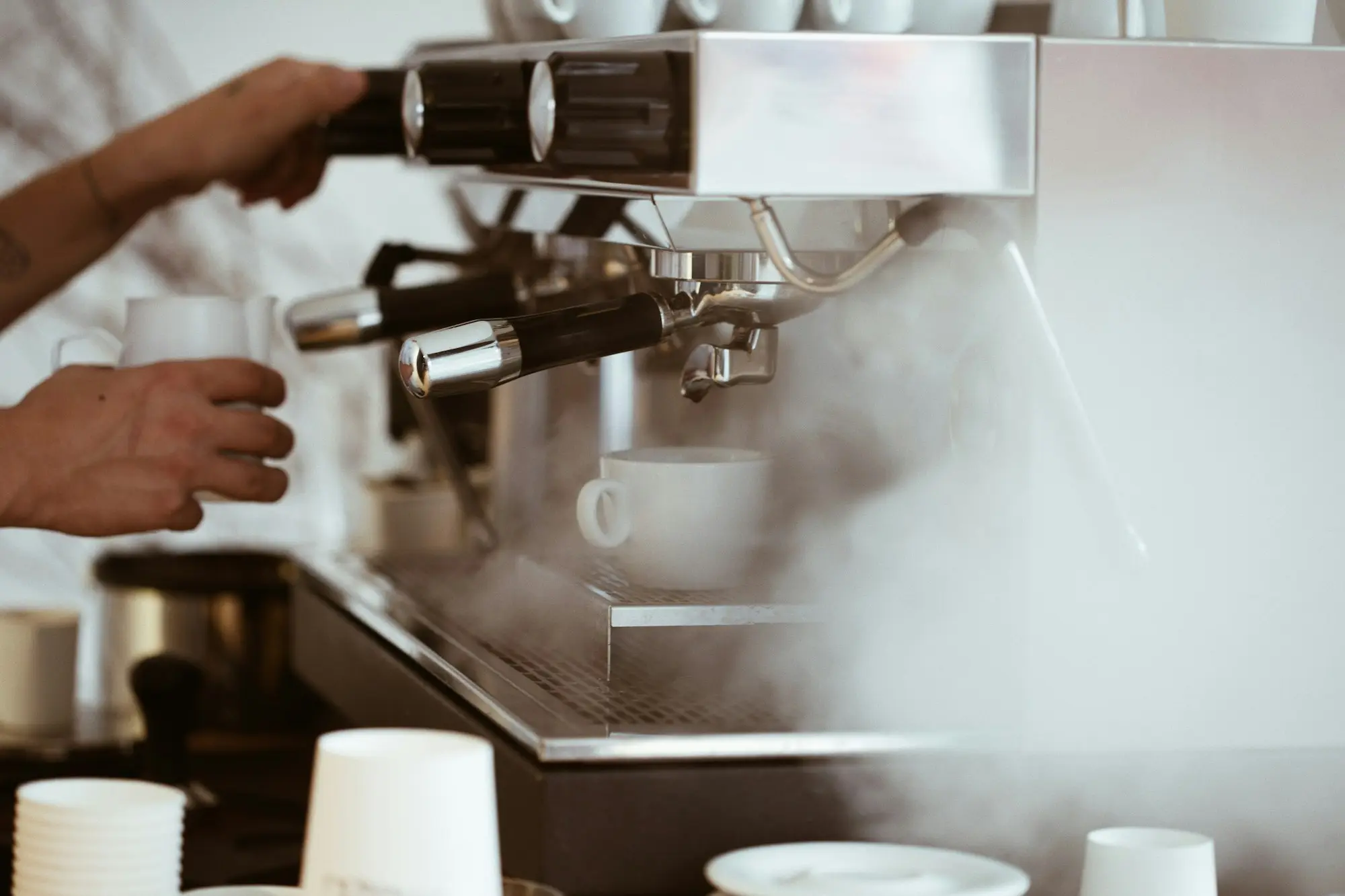
A café is a small business with big-business equipment. The espresso machine on the bench can cost as much as a car, the grinders aren’t far behind, and the fridges, ovens and dishwasher add up quickly. Then there’s the fit-out, the lease, the staff and the fact that most of the day’s takings arrive in a three-hour window. Café owners need finance that understands that rhythm.
What do cafés typically fund?
| Milestone | Usual approach |
|---|---|
| Espresso machine and grinders | Equipment finance |
| Fridges, ovens, dishwashers | Equipment finance |
| A refresh of the space | Unsecured loan sized on takings, plus equipment finance |
| Opening a new café | Owner funds + equipment finance + property-secured loan |
| Buying an existing café | Owner funds + property-secured loan |
| A second site | Unsecured or secured loan, backed by site one’s history |
| Winter dip or slow months | Line of credit |
The coffee machine question
The espresso machine is often the first finance conversation a café owner has. It’s an ideal candidate for equipment finance: identifiable, valuable and with an active resale market. The lender pays the supplier and holds an interest in the machine until it’s paid off.
A few things to weigh:
- New or used? Both can be financed from reputable suppliers; used machines may need a condition report.
- Roaster deals. Some roasters offer machines tied to buying their coffee. Read the contract — it can limit your choices later.
- Capacity. Size the machine for your peak. An undersized machine costs you sales every morning.
- Tax. Small businesses using simplified depreciation may be able to claim eligible assets costing less than $20,000 immediately under the ATO’s instant asset write-off. A larger machine would generally be depreciated through the small business pool. Ask your accountant.
Shopping for a machine or planning a refresh? Start a 60-second enquiry — a specialist will tell you what’s realistic, and enquiring doesn’t involve a credit check.
Opening a café
New cafés have no takings to show, so lenders lean on your experience, your contribution and any security. The common mix is your own funds, equipment finance for the gear (often with a deposit), and a loan secured against property you or a director own for the fit-out and opening costs.
Opening costs go well beyond the fit-out: council approvals, a certified food safety supervisor (required for category one and two food businesses under Food Standard 3.2.2A since December 2023), opening stock, staff training and enough cash to trade through the first quiet weeks. Our café opening money timeline walks through how costs land week by week.
Buying a café
Most of a café’s sale price is usually goodwill — the customer base, location and reputation. Lenders rarely fund goodwill on its own, so buyers typically contribute savings and borrow the rest against property. Lenders will want the café’s bank statements, BAS, lease and an explanation of how you’ll run it. See buying a business.
Staffing your café
The Fair Work Ombudsman says the Restaurant Award covers cafés where the business mainly sells food and drinks to be consumed on the premises or offers table service. Weekend and public holiday penalty rates make a real difference to wage costs, so build them into your forecast rather than using a flat hourly figure. Super is 12% from 1 July 2025, and from 1 July 2026 it’s paid each payday under Payday Super.
Illustrative example: A café owner with two years of steady trading wants a second group head, a larger grinder and a refreshed counter to speed up the morning queue. The machine and grinder go on equipment finance through the supplier. The counter rebuild is funded with a small unsecured loan, completed over a long weekend to avoid closing on a weekday.
Growing to a second site
A successful first café is the strongest case for a second. Its bank statements and track record support the application, and the second site’s equipment can be financed against itself. The biggest risk is starving the original café of cash while the new one ramps up. Read opening a second location before you sign the lease.
Surviving the quiet months
Many cafés have a dip — winter for some, January for city cafés when offices empty. A line of credit drawn in the dip and repaid in busier months can keep wages and suppliers paid. See our broader hospitality finance page for seasonal patterns.
Questions to answer before you upgrade or expand
- How many coffees do you sell at the morning peak, and is the machine or the team the bottleneck?
- What’s your average spend per customer, and would a refresh lift it?
- How much of the week’s takings come from weekends, when penalty rates apply?
- How long is left on the lease, and can you renew?
- Are BAS and super payments up to date?
The clearer you are on where the café makes its money, the easier it is to show a lender how a new machine, refresh or second site will pay for itself. Many owners find simply timing the queue at peak on a few mornings gives them the evidence they need: if customers are walking away, extra capacity has a clear, measurable payoff.
Brew up the right funding
Tell us whether you’re opening, buying, upgrading or expanding, and what the café is turning over. A real person who knows café numbers will suggest the right mix. Asking costs nothing and leaves your credit file untouched, your details aren’t scattered to a flock of lenders, and accurate takings and rent figures help us match you correctly on the first call. See if your café qualifies.
Frequently asked questions
Can I finance a commercial espresso machine?
Yes. Espresso machines and grinders are commonly financed against themselves, with the supplier paid directly. New and used machines from reputable suppliers are both possible.
What do lenders look at for a café loan?
Takings and their consistency, rent and lease term, wages, supplier payments and your experience in cafés. For opening or buying, your industry background matters a great deal.
Can I get a loan to buy a café?
Usually through a combination of your own money and a loan secured against property, because most of a café's price is goodwill. The café's trading history and your experience support the application.
Which award covers café staff?
The Fair Work Ombudsman says the Restaurant Award covers cafés where the business mainly sells food and drinks to be consumed on the premises or offers table service. Check the details for your setup.
Should I lease or buy my coffee machine?
It depends on your tax position, how long you'll keep the machine and whether your roaster offers a deal tied to buying their beans. Compare total costs and contract terms before deciding.