Quick answer
Beauty salons, hairdressers and barbers typically finance styling chairs, backwash units, treatment beds and devices, salon fit-outs and refreshes, opening a new salon or buying an existing one. Equipment suits equipment finance, refreshes for trading salons suit unsecured loans sized on takings, and opening or buying often needs owner funds and property security. Lenders look at takings, rent, chair or room utilisation and the owner's experience.
Key points
- Chairs, basins, beds and devices can usually be financed against themselves
- The look of the space is part of what clients pay for — refreshes matter
- Chair rental or contractor models change how lenders read your income
- Experience behind the chair strengthens new-salon applications
- Equipment
- Chairs, basins, beds, devices, lighting
- Common routes
- Equipment finance, unsecured loan
- Lenders watch
- Takings, rent, utilisation
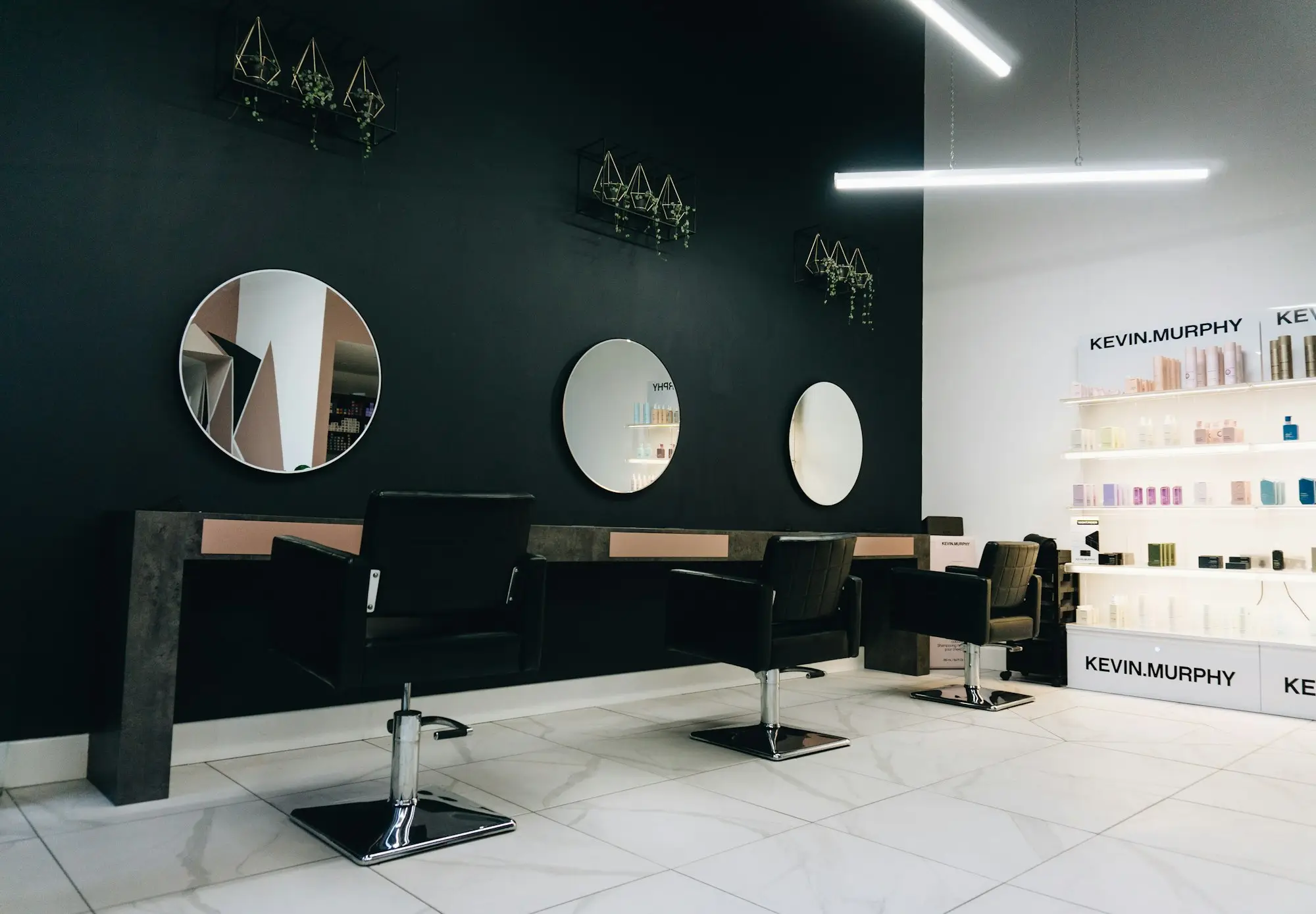
In a salon or barbershop, the space is part of the product. Clients notice the chairs, the lighting, the basins and the feel of the room, and they’ll pay more in a space that looks and works the part. That’s why salon owners face regular investment — new equipment, a refresh every few years, perhaps a bigger space or a second location — on top of everyday costs like products and rent.
What do salons and barbers typically fund?
| Milestone | Usual approach |
|---|---|
| Styling chairs, basins, stations | Equipment finance |
| Treatment beds, laser and skin devices | Equipment finance |
| Salon refresh or refurbishment | Unsecured loan + equipment finance |
| First salon fit-out | Owner funds + equipment finance + property security |
| Buying an established salon | Owner funds + property-secured loan |
| Product stock | Line of credit or cash flow |
Equipment that pays its way
Salon equipment is well suited to equipment finance: chairs, basins, dryers, treatment beds and specialist devices are identifiable and have resale value. The lender pays the supplier and you repay over a term that matches the equipment’s working life.
Higher-value devices — laser, IPL and advanced skin treatment equipment — can be significant purchases. Before you buy, check what training, certification or approvals apply to using them in your state, and build those costs into your plan. Small businesses using simplified depreciation may be able to claim eligible assets costing less than $20,000 immediately under the ATO’s instant asset write-off; your accountant can advise on larger items.
Refreshing a trading salon
Because there’s trading history, refurbishing an existing salon is far easier to fund than fitting out a new one. Built works — flooring, joinery, lighting, plumbing for new basins — can often be funded with an unsecured business loan sized on your takings, while new chairs and equipment go on equipment finance.
The bigger challenge is staying open. Many salons stage works, closing a few stations at a time, or schedule heavy work on closed days. Budget the reduced capacity as a real cost. See refurbishment finance, and use the fit-out budget builder to add it all up.
Planning new chairs or a full refresh? Start a 60-second enquiry — no credit check to ask, and a specialist will help you split the funding sensibly.
Opening your own salon
Many salon owners start as employed stylists, therapists or barbers. That experience counts with lenders when you open your own place — especially if you can show a client base likely to follow you. The usual mix is personal savings, equipment finance (often with a deposit) and, where available, a property-secured loan for the fit-out.
Before you sign a lease, business.gov.au suggests checking zoning and any permits or approvals you need with your council before fitting out. Plumbing for basins, ventilation and electrical capacity for dryers and devices can add cost, so get them assessed early. See opening a business.
Chair rental and contractor models
Many salons and barbershops rent chairs or rooms to independent operators. That income can support an application, but lenders want to see it’s consistent and documented — written agreements, regular payments into the business account. If your model mixes employees and renters, explain it clearly so your income isn’t misread.
Illustrative example: A barber who has rented a chair for five years opens his own three-chair shop. His savings cover the lease deposit and signage, equipment finance funds the chairs, mirrors and basins, and a loan secured against his apartment covers the fit-out. A year later, with steady takings and a second barber renting a chair, he refreshes the waiting area with a small unsecured loan.
Buying an established salon
Buying a salon means paying for a client book and reputation that may be tied to the current owner or staff. Ask how many clients see the owner personally, whether key staff are staying, and review the bank statements and BAS closely. Most purchases are funded with your own contribution and a property-secured loan. See buying a business.
Product stock and retail lines
Retail product is a quiet cash drain in many salons — shelves of stock that sell slowly. Keep orders tight, track which lines move, and consider a small line of credit for larger supplier orders rather than tying up cash.
Questions lenders often ask salon owners
Being ready with quick answers makes the first conversation far more productive:
- How many chairs or rooms do you have, and how full is the book in a typical week?
- What share of income comes from services versus retail product?
- Are your stylists or therapists employees, contractors or chair renters?
- How long is left on your lease, and is there an option to renew?
- What will the new equipment or refresh let you do that you can’t do now — more clients, higher-value services, a longer trading day?
A salon that can show how a new treatment device or extra station turns into bookings is a much easier case than one asking for funds in general terms. Even a rough calculation — say, how many extra appointments a week the new station allows — helps a lender see the return.
Make your salon’s next move
Tell us whether you’re equipping, refreshing, opening or buying, and how the salon is trading. A real person will suggest a funding mix that keeps chairs full and cash flowing. Enquiring won’t touch your credit file, your details aren’t broadcast to a swarm of lenders, and accurate takings and rent figures help us match you properly the first time. See what your salon qualifies for.
Frequently asked questions
Can I finance salon chairs and backwash units?
Yes. Styling chairs, backwash units, treatment beds and devices are commonly financed through equipment finance, usually with the supplier paid directly.
Can a salon get finance for a refurbishment?
A trading salon can often use an unsecured loan sized on its takings for the built works, with new equipment financed separately. Staging the works helps you keep trading.
How do lenders treat chair-rental income?
Chair or room rental income can count, but lenders will want to see it's consistent and documented. Explain your model clearly so your income isn't misread.
Can I borrow to open my first salon?
Often, with the usual new-business mix: your own funds, equipment finance for the gear and, if available, property security for the fit-out. Years of experience as a stylist or therapist help.