Quick answer
Gyms and fitness studios typically finance cardio and strength equipment, reformers and studio gear, fit-outs with specialist flooring and amenities, opening new studios and expanding to additional sites. Equipment suits equipment finance, fit-outs for trading studios suit unsecured loans sized on membership income, and new studios usually need owner funds and property security. Lenders look at membership numbers, churn, rent and the owner's experience.
Key points
- Fitness equipment and reformers suit equipment finance
- Recurring membership income can support unsecured lending
- Flooring, amenities and ventilation make studio fit-outs costly
- Pre-sales before opening strengthen a new studio's case
- Equipment
- Cardio, strength, reformers, rigs
- Income evidence
- Memberships and churn
- Fit-out extras
- Flooring, showers, ventilation
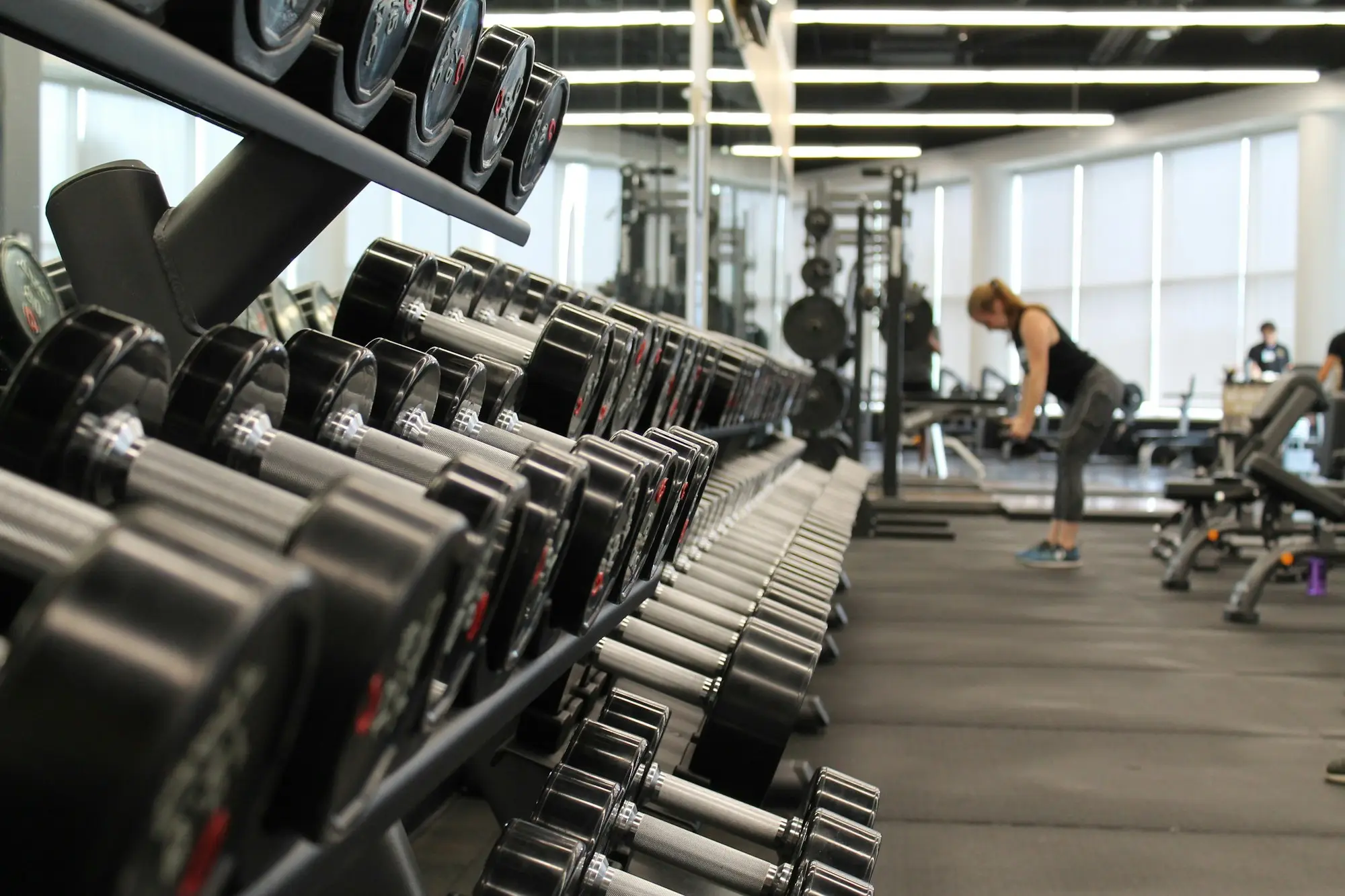
Fitness businesses are equipment-heavy and space-hungry. A pilates studio needs a room full of reformers. A strength gym needs racks, plates, rigs and rubber flooring that can take a dropped deadlift. A boutique studio needs showers, lockers and air-conditioning that keeps up with a full class. The good news: much of that gear can secure its own finance, and a healthy membership base gives lenders something solid to look at.
What do fitness businesses typically fund?
| Milestone | Usual approach |
|---|---|
| Cardio, strength and functional equipment | Equipment finance |
| Reformers, bikes and studio gear | Equipment finance |
| Studio fit-out (flooring, showers, ventilation) | Owner funds or unsecured / property-secured loan |
| Opening a new studio | Owner funds + equipment finance + property security |
| Adding a second site or class stream | Unsecured loan backed by existing memberships |
| Upgrading tired equipment | Equipment finance, sometimes with trade-in |
Equipment: the natural starting point
Fitness equipment is well suited to equipment finance. Machines, racks and reformers are identifiable, valuable and have an active second-hand market. The lender pays the supplier, and repayments are spread across the equipment’s working life.
A few tips:
- Get itemised quotes listing each machine, not one package price.
- Ask about installation — some lenders include delivery and setup on the supplier’s invoice.
- Consider used commercial gear from reputable dealers; it can be financed too.
- Plan replacement cycles. High-use cardio machines wear faster than plates and racks — match the finance term to each item’s life.
The ATO’s simplified depreciation rules let small businesses pool higher-cost assets, with a 15% deduction in the first year and 30% after. Ask your accountant how this applies.
Fit-outs: more than paint and mirrors
Fitness fit-outs carry costs other businesses don’t: impact flooring, reinforced areas for heavy equipment, showers and change rooms, ventilation and air-conditioning sized for a full class, sound treatment so neighbours don’t complain. Business.gov.au suggests checking zoning and any approvals with your council before fitting out — fitness use isn’t permitted everywhere.
These built works can’t secure themselves, so they’re usually funded with your own money, an unsecured business loan for a trading studio, or a property-secured loan. See fit-out finance.
Planning new equipment or a new studio? Start a 60-second enquiry — we’ll suggest how to split the funding, and enquiring doesn’t involve a credit check.
Memberships: your strongest evidence
Recurring membership income is valuable to a lender, because it’s predictable. Bank statements showing steady direct debits support unsecured lending for refreshes, new equipment or expansion. Lenders will also look at:
- Active member numbers and the trend
- Churn — how many members leave each month
- Mix — memberships, casual visits, PT, classes
- Rent as a share of income
Explain any seasonal pattern upfront — January surges and winter dips are normal in fitness, and lenders should see them in context.
Illustrative example: A reformer pilates studio with a long waiting list for peak classes wants to add six more reformers and extend into the vacant tenancy next door. The reformers go on equipment finance. The extension’s flooring, mirrors and air-conditioning are funded with an unsecured loan based on eighteen months of steady membership income.
Opening a new studio
Without members yet, a new studio relies on your experience, your contribution and any security. Pre-sales help: a founding-member offer, a waiting list or a block of corporate memberships shows demand before you open. The usual mix is owner funds, equipment finance and a property-secured loan where available. See opening a business and, if you’re joining a system, franchise finance.
Growing: new class streams and new sites
Growth in fitness often happens in steps: add a class stream, extend the timetable, take the space next door, then open a second site. Each step’s results support the next. Our growth finance page explains how to stage it.
Before you sign a studio lease
- Confirm with council that fitness use is permitted at the site.
- Check noise and vibration rules, especially for upstairs or shared buildings.
- Ask whether the floor can take the load of heavy equipment.
- Understand who pays for air-conditioning maintenance and replacement.
- Negotiate fit-out contributions or a rent-free period where you can.
Managing cash between membership cycles
Fitness income often arrives in waves: a burst of sign-ups in January and spring, slower months mid-winter, and annual memberships paid upfront that need to fund a full year of service. Treat upfront annual payments with care — the cash arrives now, but the cost of delivering those classes runs all year. Holding part of it in reserve avoids a squeeze later.
A modest line of credit can smooth the quieter months, while equipment and fit-out costs sit on longer-term facilities. Keeping the two separate makes it easy to see whether the business is genuinely covering its running costs or leaning on borrowed money to do it.
Power up your next move
Tell us what kind of fitness business you run, what you need to fund and how memberships are tracking. A real person will match equipment and fit-out funding to your model. There’s no credit check when you first enquire, your details aren’t spread around a crowd of lenders, and accurate membership and rent figures help us match you correctly the first time. See what your studio qualifies for.
Frequently asked questions
Can I finance gym equipment?
Yes. Cardio machines, strength equipment, racks, rigs and reformers are commonly financed against themselves, with the supplier paid directly. Used equipment from dealers can also be financed.
Do lenders count membership income?
Yes, recurring membership income visible in bank statements can support unsecured lending. Lenders also look at how many members leave each month, so steady retention helps.
How do I fund a new studio before it has members?
The usual mix is owner funds, equipment finance and property security. Pre-sale memberships, a founding-member offer or a waiting list can strengthen your application.
Is a franchise gym easier to finance?
A proven franchise system can give lenders extra comfort, but you'll still need to show your contribution and how the site will perform. See our franchise finance page.