Quick answer
Hospitality business loans fund the milestones restaurants, bars, pubs and venues face: commercial kitchen equipment, fit-outs and refurbishments, opening or buying a venue, and managing seasonal swings. Kitchen gear often suits equipment finance, trading venues can use unsecured loans or lines of credit sized on takings, and bigger moves like buying a venue usually need property security. Lenders look at takings, wages, rent and the venue's track record.
Key points
- Kitchen equipment often suits equipment finance, secured by the gear
- Takings-based unsecured lending works for established venues
- Buying a venue usually needs property security behind the goodwill
- Plan for seasonal swings and the weeks closed during refurbishments
- Common milestones
- Kitchen, fit-out, refurb, purchase
- Usual mix
- Equipment finance + business loan
- Lenders watch
- Takings, wages, rent, seasonality
Hospitality runs on milestones. The new chef wants a combi oven. The dining room needs a refresh before the competition next door opens. The bar next door is for sale. Summer is booming but winter is long. Each of these needs money at a different time and in a different shape — and hospitality’s tight margins mean getting the structure right matters more than in most industries.
What do hospitality businesses typically fund?
| Milestone | Usual funding approach |
|---|---|
| Commercial kitchen equipment | Commercial equipment finance |
| Fit-out of a new venue | Owner funds + equipment finance + property-secured loan |
| Refurbishment of a trading venue | Unsecured loan sized on takings + equipment finance |
| Buying an existing venue | Owner funds + property-secured loan |
| Seasonal stock and staff | Line of credit or seasonal finance |
| A second venue | Unsecured or secured loan, backed by venue one’s history |
How do lenders assess hospitality businesses?
Hospitality has a reputation with some lenders, because margins can be thin and trading can swing. Specialist lenders look past the label to the numbers:
- Takings — consistency across weeks and seasons
- Wages as a share of takings — a big lever on profitability
- Rent and lease terms — affordability and how long you have left
- Supplier payments — paid on time or stretched?
- Tax position — BAS lodgements up to date, any ATO debt considered case by case
- Your experience — especially for new venues and purchases
The more clearly you can show how the venue makes money, the easier the conversation.
Kitchens: the classic equipment milestone
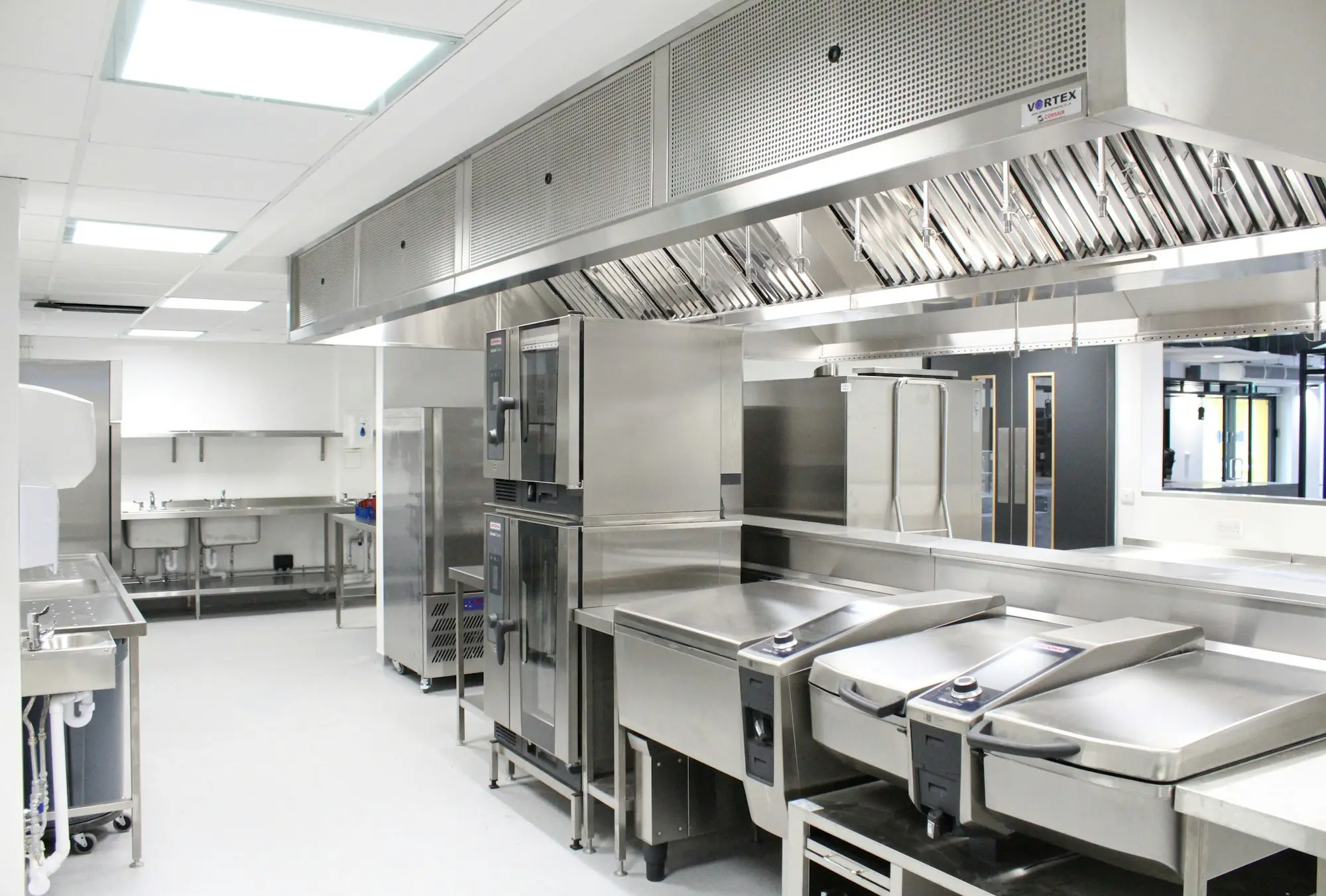
Commercial kitchen equipment — combi ovens, ranges, fryers, dishwashers, cool rooms, ice machines — is well suited to equipment finance because it’s identifiable and has a resale market. Lenders typically pay the supplier directly. The parts around it — exhaust canopies, gas fitting, electrical upgrades, plumbing — are building works and usually need a separate business loan. Ask your supplier and tradies to quote these separately.
Planning a kitchen upgrade or venue refresh? Tell us what you’re looking at — there’s no credit check to enquire, and a specialist will suggest how to split the funding.
Refurbishing without losing the season
A refurbishment is easier to fund than a first fit-out because there’s trading history to point to. The bigger challenge is the weeks you’re closed. Owners often stage works across quiet periods, keep part of the venue open, or schedule the noisiest jobs for the off-season. Budget the lost trading as a real cost. Our refurbishment finance page has more.
Buying a venue
Buying a restaurant, bar or pub is mostly a goodwill purchase, which is why it’s usually funded with your own contribution and a property-secured loan. Lenders will want the venue’s financials, BAS and lease details, plus evidence that you can run it — previous management roles count. Licences and approvals need to transfer too, and that can affect settlement timing. See buying a business for the full process.
Staffing and compliance costs
Hospitality is labour-intensive, and award obligations differ by venue type. The Fair Work Ombudsman notes that the Hospitality Industry (General) Award covers employers such as hotels, while businesses like restaurants and cafés are generally covered by the Restaurant Award — check which applies to you. Super is paid at 12% from 1 July 2025, and from 1 July 2026 Payday Super means it’s paid each payday.
Food safety is another fixed cost. Food Standards Australia New Zealand notes that since December 2023, category one and two food businesses must appoint a certified food safety supervisor under Standard 3.2.2A. Licensing and council approvals vary by state and venue, so include them in any opening or purchase budget.
Illustrative example: A suburban Italian restaurant wants to replace its ageing pizza oven and refresh the dining room before summer. The oven goes on equipment finance with the supplier paid directly. The dining refresh — new banquettes, lighting and paint — is funded with an unsecured loan based on two years of takings, with works staged over two quiet Mondays and Tuesdays per week for a month.
Seasonal swings
Most venues have a rhythm — summer trade for coastal spots, winter for ski towns, December for function venues. A line of credit drawn in the quiet months and repaid in the busy ones is a common fit. See seasonal business finance.
Cafés are a world of their own
Cafés share a lot with restaurants but have their own patterns — morning peaks, coffee machines, small footprints. See our dedicated page on café finance.
Questions to answer before you borrow
Lenders who understand hospitality tend to ask the same handful of things. Having the answers ready speeds everything up:
- What are average weekly takings across a full year, including the quiet months?
- What share of takings goes to wages and to rent?
- How long is left on the lease, and are there options to renew?
- Are BAS lodgements and super payments up to date?
- What will the new equipment or refurbishment change — more covers, faster service, a higher spend per head?
If you can show how the investment lifts revenue or cuts costs, the application becomes a business case rather than a request.
Fund your next hospitality move
Tell us what kind of venue you run or want to buy, what you’re funding and how trading looks. A real person who understands hospitality will suggest a structure that suits your margins and your season. There’s no credit check to enquire, your details aren’t sprayed across a heap of lenders, and honest numbers about takings and costs help us land the right option the first time. See what your venue qualifies for.
Frequently asked questions
Can a restaurant get finance for a new kitchen?
Yes. Commercial kitchen equipment is commonly financed against itself. The installation, exhaust and building works around it are usually funded separately through a business loan.
Do lenders treat hospitality as high risk?
Some do, because margins can be tight and trading varies. Specialist lenders look at your actual takings, costs and track record rather than the industry label.
Can I borrow to buy a pub or restaurant?
Usually with a combination of your own funds and a property-secured loan, since goodwill is hard to lend on. The venue's trading history and your experience matter a lot.
What compliance costs should a new venue budget for?
Licensing, council approvals and food safety obligations vary by state and venue type. Under Food Standard 3.2.2A, category one and two food businesses must appoint a certified food safety supervisor.