Quick answer
Refurbishment finance funds the renovation of premises you already trade from — new flooring, lighting, counters, bathrooms, paint, signage or a reworked layout. Because the business is already trading, lenders can assess real bank statements, which often makes unsecured business loans a practical fit. Larger refurbishments may suit a property-secured loan, and new equipment bought during the refresh can be financed against itself.
Key points
- A trading history makes refurbishments easier to fund than first fit-outs
- Staging works can keep revenue coming in while you renovate
- Lost trading days are a real cost — put them in the budget
- Repay over a term that matches how long the refresh will last
- Typical uses
- Layout, flooring, lighting, counters, amenities
- Common route
- Unsecured business loan
- Larger jobs
- Property-secured, $20k to $5m
Premises date faster than owners expect. The floor that looked sharp at opening is scuffed, the lighting feels flat, the counter is in the wrong place now that most orders are takeaway, and the bathroom is a story for regulars rather than a feature. A refurbishment brings the space back in line with the business you’ve become. The good news: because you’re already trading, it’s usually far easier to fund than the original fit-out.
Why is a refurbishment easier to fund than a first fit-out?
Evidence. A lender looking at a new venture has to trust a forecast. A lender looking at a refurbishment can see months or years of bank statements, BAS lodgements and repayment history. If the business clearly generates the cash to cover new repayments, an unsecured business loan sized on turnover is often realistic — no property required.
For larger projects, or where the business is quieter than the plan needs, a property-secured loan opens up amounts from $20,000 to $5,000,000 and longer terms.
What does a typical refurbishment cover?
- New flooring, wall finishes and paint
- Lighting upgrades and electrical work
- Reworked counters, service areas and storage
- Bathroom and amenities upgrades
- Air-conditioning or ventilation improvements
- New furniture, fixtures and signage
- Replacement equipment bought as part of the refresh
Equipment is worth separating out. If you’re replacing chairs, styling stations, ovens or display fridges during the refurbishment, equipment finance can fund those against the items themselves, leaving the business loan to cover the works.
How do you keep trading while you renovate?
Every day the doors are shut is a day without revenue, and that matters twice: it hurts profit, and it can make loan repayments harder to meet in the first months. Some ways owners limit the damage:
- Stage the works. Renovate one zone at a time, closing only part of the floor.
- Work after hours. Trades working nights or weekends cost more, but you keep trading.
- Pick the quiet season. Schedule the noisiest work for your slowest weeks.
- Pop-up nearby. Some cafés and retailers run a temporary stall or reduced menu while works proceed.
- Tell customers early. A sign and a social post about the “new look coming” keeps regulars on side.
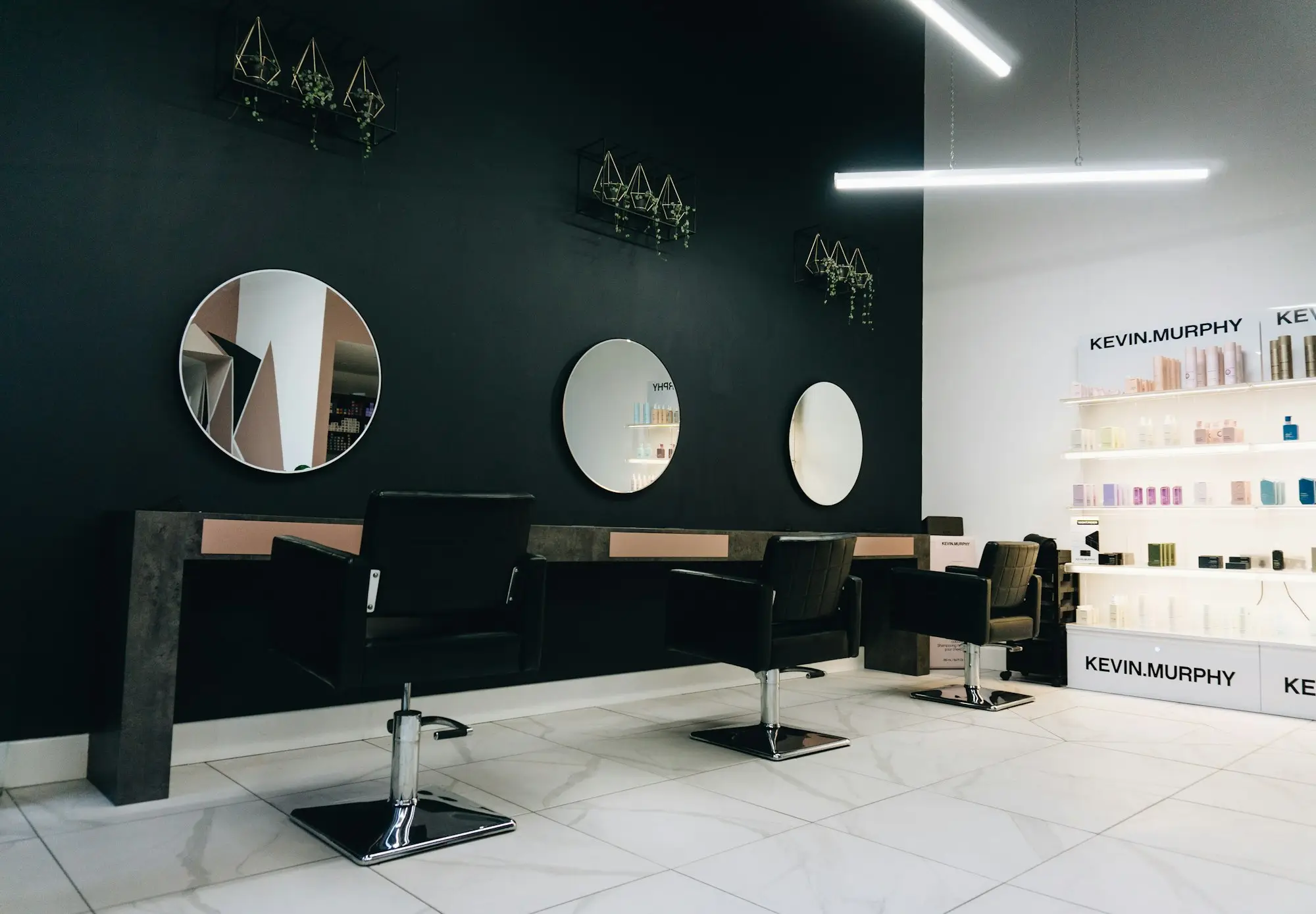
Illustrative example: A suburban hair salon refurbishes in three stages over six weeks, closing four styling stations at a time rather than the whole salon. Takings dip but don’t stop. New chairs and backwash units are funded with equipment finance, and the flooring, lighting and joinery with an unsecured loan the owner repays over three years.
How much should you budget?
Start with your contractors’ quotes, then add what they don’t include:
| Budget line | Often forgotten? |
|---|---|
| Building works and finishes | No |
| Electrical and plumbing upgrades | Sometimes |
| Landlord or council approvals | Often |
| Signage and branding updates | Often |
| Lost revenue during works | Almost always |
| Contingency for surprises | Almost always |
The fit-out budget builder works just as well for a refurbishment — add each line, set a contingency and see how much you might want funded.
Want a second opinion on the numbers? Run them past a specialist — no credit check to enquire, and you’ll speak with someone who understands trading businesses.
Choosing the loan term
A refurbishment has a lifespan. Paint and flooring in a busy café may last a handful of years; a quality counter or amenities upgrade might last longer. As a rule of thumb, aim to repay the refurbishment before you’d need to do it again — and before your lease ends, if you lease. Longer terms lower each repayment but increase the total cost of finance, so compare total cost, not just the monthly figure. Our page on fees and the total cost of a loan explains how.
Will the refurbishment pay for itself?
It’s worth asking before you borrow. Business.gov.au’s guidance on improving cash flow includes reviewing pricing and boosting sales — a refreshed space can do both, by lifting average spend, attracting new customers or making service faster. Write down what you expect to change:
- More seats or a faster service flow
- A higher price point the new space can support
- New services the layout now allows
- Lower running costs from efficient lighting or equipment
If the expected uplift comfortably covers the repayments, the refurbishment is an investment rather than an expense.
Industries that refurbish most
Hospitality venues and salons refresh more often than most, because the look of the space is part of what customers pay for. See our pages on café finance and beauty salon and barber finance for industry-specific angles.
A quick refurbishment checklist
- Itemised quotes from each trade, with equipment listed separately
- Landlord consent in writing, if you lease
- Any council or building approvals the works need
- A schedule showing which areas close and when
- A plan to tell customers, staff and suppliers
- A contingency you won’t touch unless something unexpected turns up
Start your refurbishment conversation
Tell us what you’re updating, what it’s likely to cost and how long the business has been trading. A specialist will suggest the cleanest way to fund the works and any new equipment, and how to keep repayments comfortable while you renovate. There’s no credit check to enquire, your details stay with the person handling your file, and honest numbers on the form make the first conversation genuinely useful. Check your refurbishment options.
Frequently asked questions
What's the difference between a refurbishment and a fit-out?
A fit-out usually turns an empty space into a working business for the first time. A refurbishment updates premises you already trade from. The trading history behind a refurbishment generally gives you more funding options.
Can I stay open while the refurbishment happens?
Often, if you stage the works — one section at a time, or after-hours. It usually costs a little more in labour but protects your revenue, which also helps you keep up loan repayments.
Will a lender fund cosmetic updates like paint and signage?
Yes, as part of a broader business purpose. Lenders care more that the business can afford the repayments than whether the spend is structural or cosmetic.
Do I need landlord approval to refurbish?
Most commercial leases require consent for works beyond minor maintenance. Check your lease and get approval in writing before you commit to a contractor.